QR codes are everywhere. From restaurant menus and payments to event tickets and product packaging, they provide a quick way to access digital information using a smartphone.
However, cybercriminals have begun exploiting this convenience through a new form of attack known as quishing.
Quishing (QR phishing) is a cyberattack where scammers use fraudulent QR codes to trick users into scanning them, directing them to malicious websites or prompting malware downloads. By targeting mobile devices, this method bypasses traditional email security, aiming to steal sensitive personal or financial information.
Understanding Quishing
Quishing is a type of phishing attack that uses QR codes instead of traditional links.
Rather than sending a suspicious URL, attackers embed the link inside a QR code. When users scan the code, they are redirected to a malicious website designed to steal sensitive information.
Because the link is hidden within the QR code image, users often have no way of knowing the destination before scanning.
How Quishing Attacks Work
A typical quishing attack follows these steps:
- An attacker creates a malicious website that imitates a trusted service.
- The website link is encoded into a QR code.
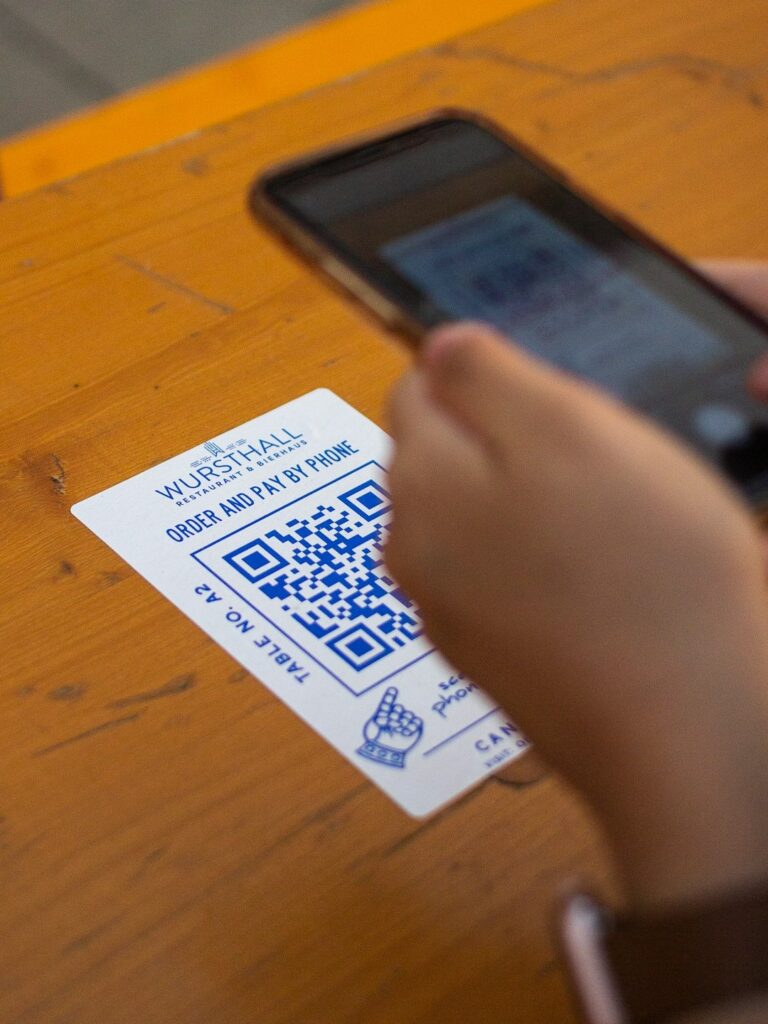
- The QR code is distributed through emails, posters, or stickers placed over legitimate codes.
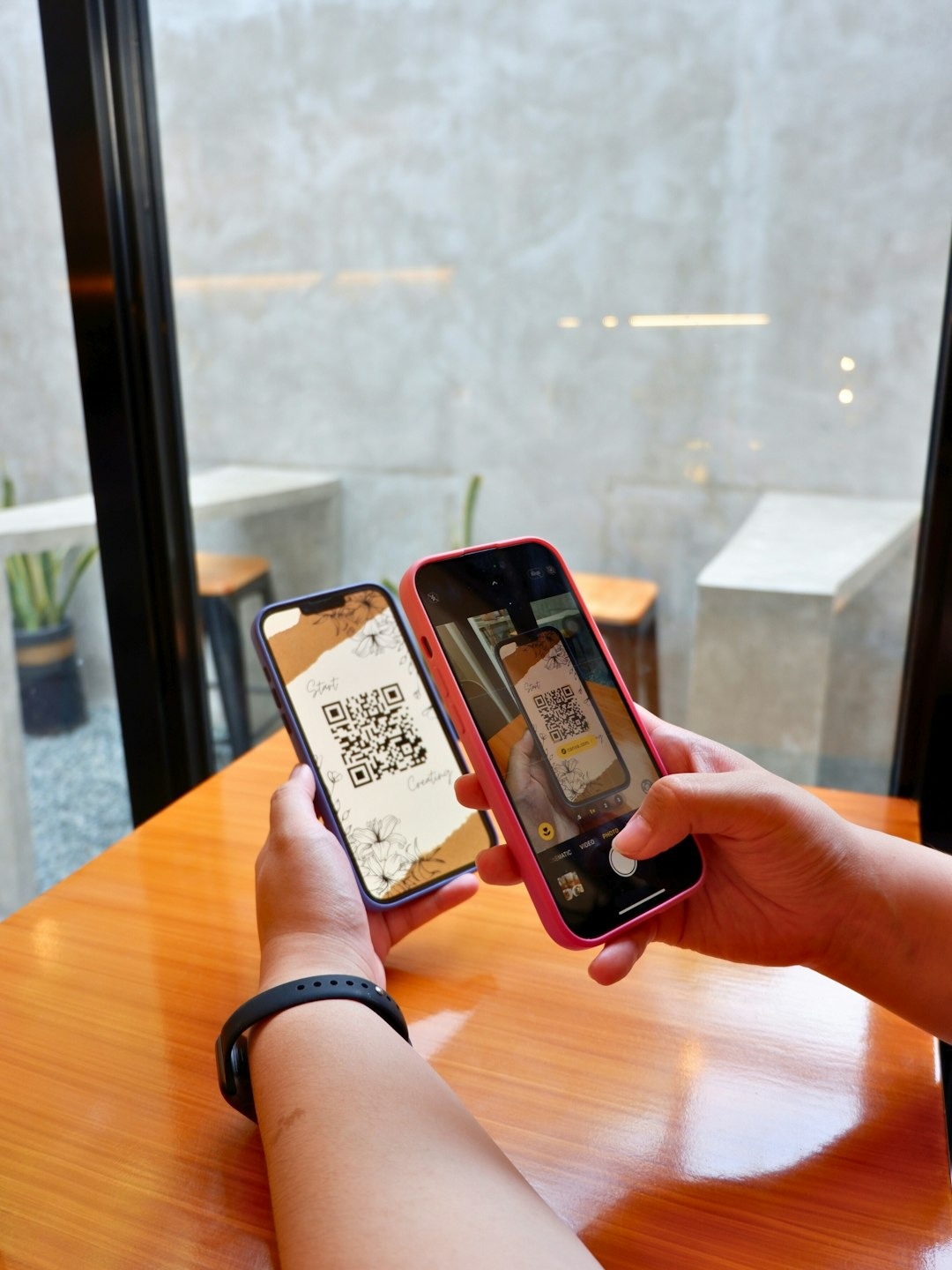
- Victims scan the code and are redirected to the fake site.
- The victim enters login credentials or payment details.
Once the attacker obtains this information, they can access accounts or commit financial fraud.
Why Quishing Is Increasing
There are several reasons why quishing attacks are becoming more common:
- QR codes are widely used in everyday environments
- People tend to trust physical codes
- Malicious links can bypass email security filters when hidden in images
As more businesses adopt QR codes, attackers are taking advantage of the same technology.
Protecting Yourself from Quishing
To reduce the risk of falling victim to a quishing attack:
- avoid scanning QR codes from unknown sources
- inspect codes in public places for signs of tampering
- be cautious when QR codes request personal information
- verify websites before entering login or payment details
Using secure QR scanning tools can also provide an additional layer of protection.
QRGuardian helps users scan QR codes safely by analysing links before they are opened. By identifying suspicious destinations and warning users about potential phishing websites, the app reduces the risk of falling victim to quishing attacks.
Leave a Reply